
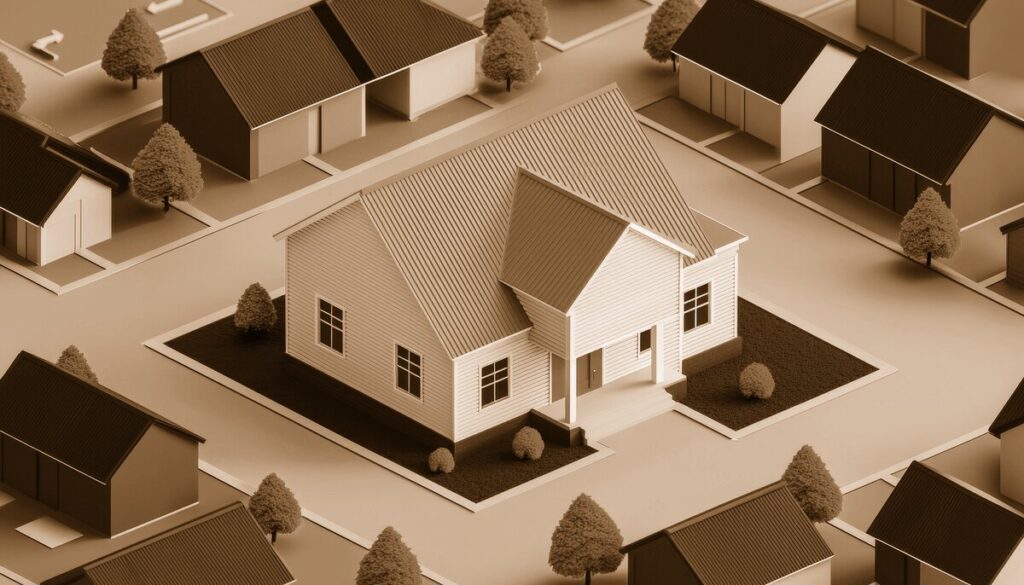
Nestled on Peoria’s near-southwest side, Chadwick Place is a neighborhood whose tree-lined streets and sturdy 20th-century homes echo the city’s rich tapestry of history. Far more than a collection of residential blocks, Chadwick Place offers a window into the past and an example of neighborhood pride that continues to flourish.
The Origins: From Prairie to Neighborhood
Chadwick Place began to take shape in the early 1900s, a period when Peoria was entering a golden era of industry and expansion. Historically, this area was part of expansive farmland on the southern edge of the city, transitioning into a new, planned community as Peoria’s population boomed.
The name “Chadwick Place” carries with it the story of early growth. The neighborhood owes its moniker to the Chadwick family, a prominent group of landowners and civic boosters whose influence was felt across Peoria. John Chadwick, in particular, is credited with overseeing the first major plats of land developed here. In the 1910s, the Chadwick family worked with local architects and city planners to begin constructing stylish but sturdy single-family homes, many of which still stand today.
Architectural Heritage and Notable Buildings
Take a stroll down West Matthews Avenue or South Institute Place, and you’ll witness proud examples of Prairie School and American Craftsman architecture—distinctive features of the Chadwick Place landscape. The homes here are marked by generous front porches, wide eaves, and intricate brickwork, built to withstand time and tell stories.
Among the neighborhood’s most recognizable landmarks is the former Chadwick Place School, once a cornerstone of local education and now repurposed as a community center on South Griswold Street. This stately, red-brick building was a gathering place for generations of children and remains a symbol of the neighborhood’s commitment to community.
Just blocks away, West Garden Street boasts another gem: a cluster of early bungalow-style homes facing small, leafy parks. These green spaces—pocket parks woven into the urban grid—have been sites of family picnics, neighborhood celebrations, and quiet reflection for decades.
Key Historical Milestones
The 1920s and 1930s marked a period of rapid construction in Chadwick Place, paralleling Peoria’s rise as a hub of industry and trade. During this era, new streets—like West Teton Court and South Faraday Avenue—were laid out, each lined with homes tailored for working families.
Throughout the mid-century, Chadwick Place thrived as a close-knit, multi-generational neighborhood. Local churches such as St. Bernard’s on West Lake Avenue played a vital role, hosting socials, weddings, and holiday gatherings that are fondly remembered by longtime residents.
The neighborhood faced challenges in the late 20th century, as economic downturns and shifts in Peoria’s manufacturing base led to population decline and disinvestment. Yet, through the dedication of neighborhood organizations and block clubs, Chadwick Place managed to preserve both its physical character and its inclusive spirit.
Institutions That Shaped Chadwick Place
Several institutions have defined the Chadwick Place experience over the years:
- Chadwick Place School – A destination for learning and now a hub for community programs.
- St. Bernard’s Catholic Church – Serving families with worship, support, and as a meeting ground for the faith community.
- South Side Mission – Operating on South Griswold and providing vital outreach, food, and after-school programs for decades.
- Chadwick Park – A public green space at the heart of the neighborhood, often hosting summer fairs and informal baseball games.
How Chadwick Place Has Evolved
While the classic architecture remains, Chadwick Place has adapted to meet the needs of a new generation. The last two decades have brought an influx of young families and first-time homeowners, drawn by the promise of affordable houses with character and proximity to both downtown Peoria and the Illinois River.
Recent revitalization efforts, led by neighborhood associations and advocacy groups, have focused on restoring historic façades, upgrading sidewalks, and creating safe play areas for children. Community gardens now flourish on formerly vacant lots, and neighbors organize seasonal clean-up days to keep Chadwick Place looking its best.
The spirit of togetherness is perhaps Chadwick Place’s greatest tradition. Annual block parties, porch-decorating contests, and neighborhood garage sales bring residents out to meet one another—a legacy of hospitality that has survived changing times.
Why Chadwick Place Endures
What makes Chadwick Place truly special is its blend of architectural beauty, neighborly warmth, and historical significance. Here, homes are passed down through generations, stories are swapped across garden fences, and the past is never far away. For those who live here, or who grew up wandering its streets, Chadwick Place is more than a point on the map: it’s a piece of living history.
From the sturdy brick homes of West Matthews Avenue to the laughter ringing through Chadwick Park, the neighborhood stands as a testament to Peoria’s resilience and hope. Indeed, as the city continues to grow and change, Chadwick Place remains an anchor—welcoming all who value heritage, community spirit, and the simple joys of neighborhood life.